After a windy night in Bakersfield, you might find shingles scattered across your driveway or notice a damaged gutter hanging from the roofline. Your roof may look mostly intact from the ground, but missing shingles, loose flashing, and damaged vents can leave openings where rain can enter.
The first priority is safety. Before arranging repairs, check for immediate hazards, document visible damage, and protect belongings from active leaks when you can do so safely. Knowing which problems require emergency attention can help you prevent additional damage without putting yourself at risk.
Prioritize Safety: Your First Step After the Storm
Wait until strong winds have passed before checking your property. Look for fallen branches, broken glass, loose siding, and damaged utility lines. Keep your distance from any downed wire, and contact the utility provider or emergency services as appropriate. Never assume a fallen line is harmless because it isn’t sparking.
Stay off the roof, even if the damage appears minor. Missing shingles, loose decking, and compromised flashing can create unstable footing. Don’t lean ladders against damaged gutters or attempt to reach loose materials from a window.
If a tree has fallen onto your home, the roofline appears to be sagging, or structural damage is suspected, keep everyone away from the affected area. A qualified professional may need to assess the building before anyone can enter safely. Inside, watch for sagging ceilings, water near electrical fixtures, and other signs of instability. Leave affected rooms rather than investigating a potentially dangerous condition. Emergency responders or qualified electrical and structural specialists should evaluate serious hazards.
Once the area is safe, storm damage restoration can help address exposed roof sections, damaged openings, and water intrusion. Temporary protection may be necessary before permanent roofing repairs can begin.
How to Safely Assess Your Home for Roof Damage
A ground-level inspection can help you identify obvious changes without exposing yourself to unnecessary risks. You won’t be able to see every damaged component, but a few careful observations can give your residential restoration contractor useful information.
Inspecting From the Ground
Start from a safe location where you can see the roof edges and upper slopes. Binoculars or a camera with a zoom feature may help you identify missing materials. Don’t stand beneath damaged trees, hanging gutters, or loose roofing while looking upward.
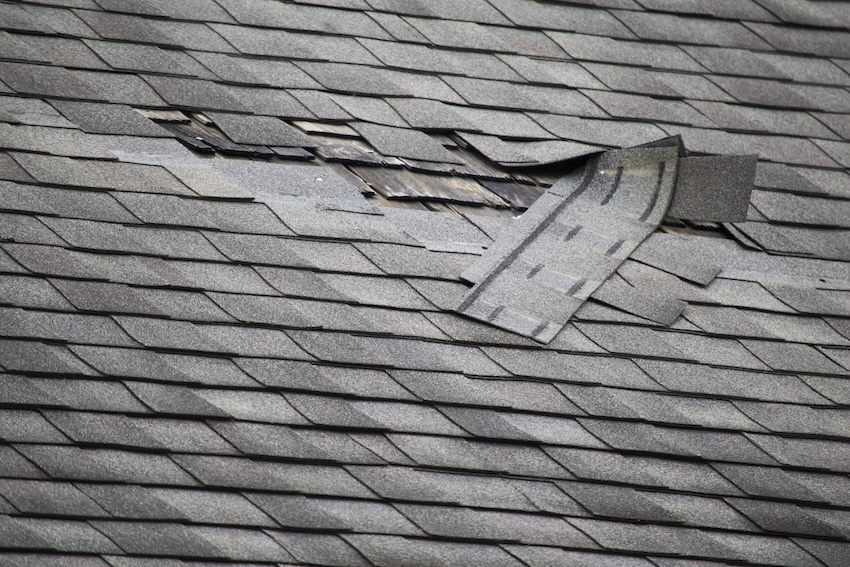
- Missing, lifted, curled, or torn shingles
- Roofing fragments scattered across your yard or driveway
- Bent gutters or displaced metal flashing
- Damaged roof vents or exposed decking
- Tree limbs resting on the roof
- Loose fascia or other damaged roof-edge materials
Photograph visible damage from safe locations, and note which side of the house appears affected. Compare the roof with older photographs if you have them. Remember that wind can loosen shingles and flashing without removing them completely. A roof that looks intact from the driveway may still have damaged fasteners, lifted materials, or other problems that require a closer inspection by a qualified roofing professional.
Checking for Leaks and Damage Inside
Inspect rooms beneath the affected roof for fresh ceiling stains, wet drywall, damp flooring, and water around windows or chimneys. Closets and other less frequently used spaces may also show signs of intrusion. Pay attention to discoloration that develops after the storm. Water can travel along framing or other building components before appearing on a ceiling, so the visible stain may not be directly beneath the roof opening.
Don’t enter an attic if you suspect damaged framing, exposed wiring, or unstable ceiling materials. A qualified contractor can inspect difficult-to-access areas and determine whether additional structural or moisture assessment is necessary.
Taking Immediate Steps to Limit Further Damage
Once you’ve identified the affected areas, focus on protecting belongings without entering hazardous spaces. If a room is safe to access, move furniture, rugs, electronics, and valuable items away from active leaks. A container may help catch a small drip, provided the ceiling is stable and there are no nearby electrical hazards. Never stand beneath bulging drywall or attempt to puncture a water-filled ceiling. Saturated ceiling materials can collapse unexpectedly.
Large roof openings require a different response. A damaged section may continue admitting water whenever rain returns, even if the interior currently appears dry. Professional roof tarping can provide temporary weather protection until the roof can be properly repaired. The appropriate method depends on the size of the opening, roof conditions, and whether the structure can safely support workers.
Temporary tarps aren’t permanent roofing repairs. They may also be unsuitable when severe structural damage makes roof access unsafe. A qualified contractor should determine how the opening can be secured.
Broken windows and damaged exterior doors may need board-up services to reduce additional weather exposure and unauthorized entry. Keep children and pets away from broken glass and other debris until those hazards have been addressed.
Documenting the Damage for Your Insurance Claim
Before cleanup or repairs change the scene, take photographs and videos from safe locations. Capture wide views of the house, along with closer images of damaged roofing materials, gutters, siding, and any debris that landed on the property.
Document interior damage separately, including ceiling stains, wet flooring, damaged furniture, and other affected belongings. Record when you discovered the damage and when any leaks appeared. If possible, create a written inventory of damaged personal property. Include descriptions, photographs, and available purchase information.
Notify your insurance company promptly and ask about documentation requirements. Keep receipts for emergency roof protection, board-up work, and other expenses associated with preventing additional losses. Coverage for wind damage and related repairs depends on your policy, deductible, and the circumstances of the storm. Ask your insurer about inspection requirements before authorizing permanent repairs, but don’t unnecessarily delay essential safety measures or temporary protection.
When to Call for Emergency Storm Restoration
Not every damaged shingle requires an immediate emergency response. However, a roof opening that allows rain into your home, a severely damaged exterior wall, or a situation involving potential structural instability deserves prompt attention.
- Exposed Roof Decking: Large areas of missing roofing materials can leave your home vulnerable to additional water intrusion.
- Active Interior Leaks: Water entering living spaces can damage ceilings, insulation, flooring, and belongings.
- Structural Concerns: A sagging roofline, unstable ceiling, or damaged supporting structure may require immediate restrictions on access.
- Fallen Trees: Heavy limbs or trees resting against the house can create additional structural hazards.
- Broken Openings: Damaged windows and exterior doors may need temporary board-up protection.
If the roof damage has already allowed water into your home, the recovery process may involve more than installing a tarp. Wet insulation, drywall, and flooring can retain moisture after the leak is stopped.
Depending on the extent of the intrusion, water damage cleanup and structural drying may be necessary to remove trapped moisture and reduce the risk of additional deterioration. When you call for assistance, explain the visible damage, any ongoing leaks, and any known electrical or structural hazards. This information can help the response team determine what equipment and additional specialists may be needed.
How to Prepare for the Restoration Team’s Arrival
There are several ways to make the initial assessment easier without handling dangerous debris or accessing the roof.
Keep your driveway or another appropriate access area clear if vehicles can be moved safely. Don’t attempt to relocate fallen branches that are touching power lines or supporting damaged building materials.
Secure pets in an unaffected room and keep children away from work areas. Have your photographs, insurance information, and notes about active leaks available for the restoration team. Point out damaged windows, ceiling stains, and other areas of concern from a safe location. If your home has gates, restricted access, or other conditions that could affect equipment placement, mention those details before work begins.
Ask the contractor what temporary protection is appropriate and how long it is expected to remain in place. You should also understand whether additional roof inspections, structural evaluations, or interior drying will be necessary before permanent repairs begin.
What Happens After Your Roof Is Secured?
Emergency protection is only the first stage of recovery. Once the home is protected from additional weather exposure, a qualified roofing contractor should evaluate the roof covering, flashing, decking, and other affected components to determine the permanent repair requirements.
Minor damage may be limited to replacing shingles or repairing flashing. More extensive wind damage can involve the roof decking or underlying structure, particularly when large sections of the roofing system have been displaced. If water entered your home, restoration technicians may need to assess walls, insulation, ceilings, and flooring. Some materials can be dried, while others may require removal because of deterioration or contamination.
Before repairs are completed, confirm which work falls within the restoration scope and which requires roofing or other qualified trades. This helps establish a clearer schedule and avoids leaving concealed damage unaddressed.
Storm Damage Restoration in Bakersfield
After high winds damage your roof, staying clear of hazards and arranging temporary protection are important first steps. A careful inspection can identify roof openings, interior leaks, and other damage that may not be immediately obvious from the ground.
At Paul Davis Restoration of Bakersfield, CA, we provide emergency storm damage services, including tarping, board-up, water mitigation, and related property repairs. Our team can assess affected areas and help protect your home while the necessary permanent work is planned.
If your Bakersfield home has suffered wind damage, contact us today for emergency restoration and assistance securing your property.